
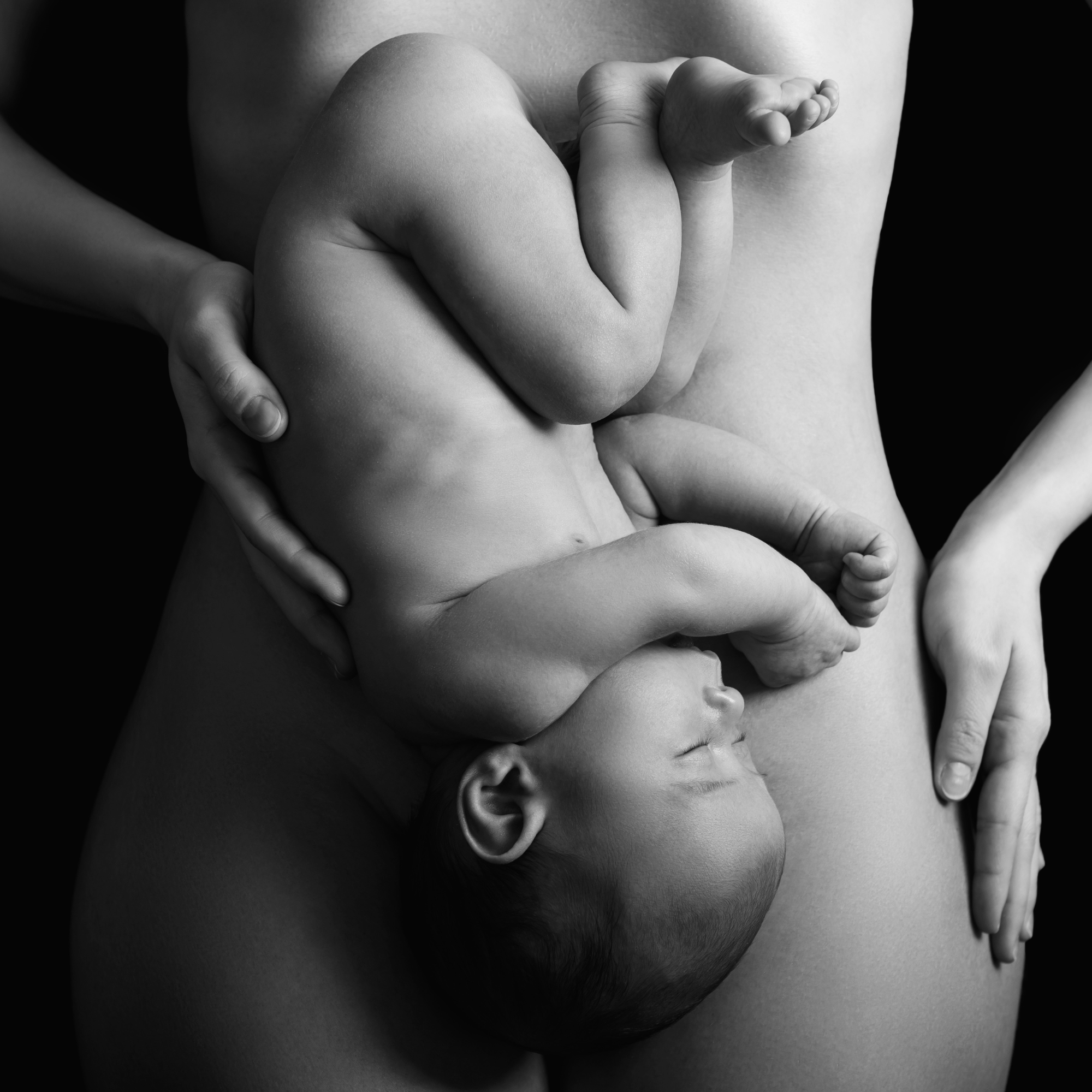
Postpartum Healing Essentials
What Your Body Actually Needs in the First 6 Weeks
The first six weeks after birth are often called the fourth trimester.
But while most attention goes to the baby, your body is also going through one of the most intense recovery periods of your life.
Postpartum healing is not just about bouncing back. It’s about supporting your body as it repairs, recalibrates, and restores.
Here’s what your body actually needs in the first six weeks after birth.
1. Rest Is Not Optional, It’s Biological
After delivery, your body begins healing:
- The uterus is shrinking back to its pre-pregnancy size
- Hormone levels are shifting rapidly
- Tissues stretched during birth are repairing
- Blood volume and circulation are adjusting
This is not a minor recovery.
Rest reduces inflammation, supports hormonal balance, and helps prevent long term pelvic floor dysfunction.
Even short, intentional rest periods during the day can make a meaningful difference in postpartum recovery.
2. Gentle Movement, Not Intense Exercise
In the early postpartum period, your body needs reconnection, not workouts.
Start with:
- Slow diaphragmatic breathing
- Gentle pelvic floor awareness
- Short, relaxed walks
- Light stretching
Aggressive bounce back exercise too soon can increase pressure on healing tissues and delay recovery.
Think restoration, not performance.
3. Pelvic Floor Awareness
Whether you had a vaginal birth or cesarean, your pelvic floor has experienced pressure and change.
In the first weeks:
- Avoid straining
- Practice soft, coordinated breathing
- Focus on full relaxation before strengthening
Many women rush into Kegels. But proper postpartum healing begins with awareness and balance, not constant tightening.
4. Nutrition That Supports Recovery
Your body is rebuilding.
Postpartum healing requires:
- Protein for tissue repair
- Iron for blood restoration
- Healthy fats for hormone balance
- Hydration for circulation and milk production
This is not the time for restriction. It’s a time for nourishment.
5. Emotional Regulation and Nervous System Support
Hormonal shifts after birth can impact mood, sleep, and emotional stability.
Simple nervous system support strategies include:
- Deep breathing
- Short outdoor walks
- Asking for practical help
- Reducing overstimulation
Healing is not only physical. It’s neurological and emotional.
6. Realistic Expectations About Recovery
Your body does not go back.
It transitions.
The first six weeks are foundational. Pushing too hard too soon can lead to:
- Pelvic floor dysfunction
- Persistent pain
- Core instability
- Chronic fatigue
Respecting this window protects your long term strength.
Preparation Makes Postpartum Easier
Many women prepare for labor, but not for recovery.
Understanding what your body needs after birth can dramatically improve your postpartum experience.
Inside my online childbirth course, I guide you through not only labor preparation, but also postpartum recovery essentials so you feel supported before, during, and after birth.
Because healing deserves as much preparation as delivery.
7. C-Section Recovery: Surgical Healing Takes Time
A cesarean birth is major abdominal surgery.
In addition to hormonal shifts and uterine recovery, your body is healing:
- Skin and fascia layers
- Abdominal muscles
- Uterine incision
- Nervous system stress response
In the first six weeks after a C-section:
- Avoid lifting anything heavier than your baby
- Support your abdomen when coughing or standing
- Focus on diaphragmatic breathing to reconnect with your core
- Roll to your side before sitting up
Scar care should begin gently once cleared by your provider. Early awareness of posture and core coordination helps prevent long term back pain and abdominal weakness.
C-section recovery is not easier. It’s different. And it deserves just as much intentional support.