
Hospital Bag Checklist: What to Pack for Labor, Birth, Recovery, and Baby
Complete, practical guide with exact quantities and explanations
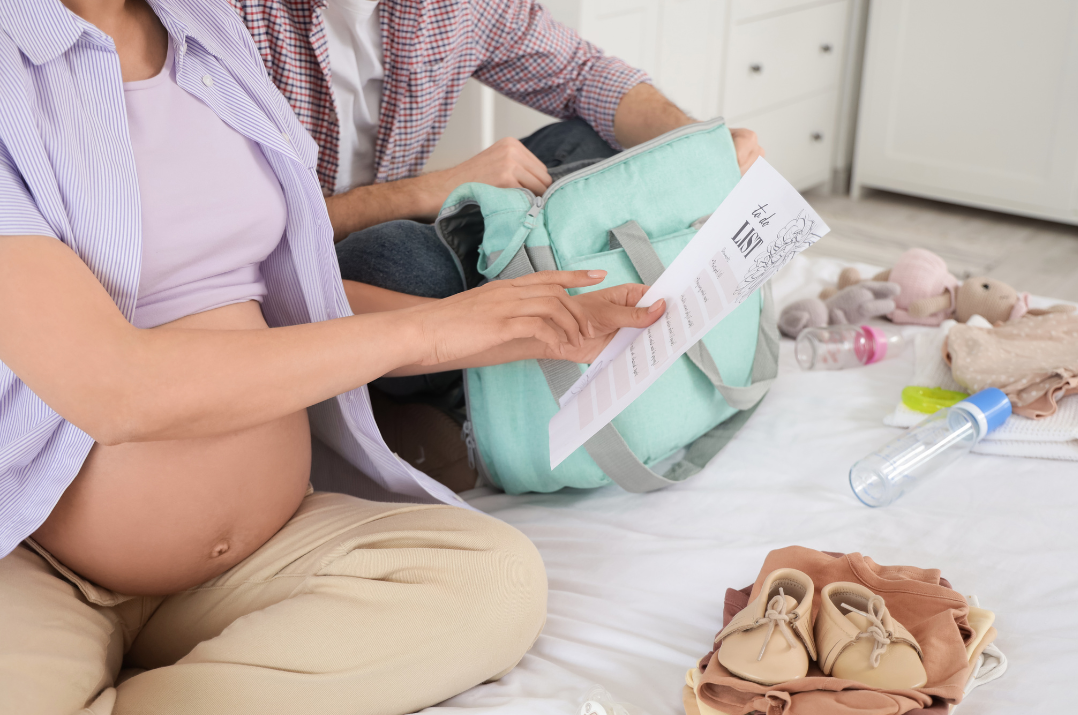
Packing a hospital bag is not about bringing everything you own. It is about preparing for the most likely needs during labor, the first hours after birth, postpartum recovery, and the trip home.
Many women either pack too much or focus on the wrong items. The result is often a heavy bag full of things they never use, while important essentials such as documents, chargers, postpartum underwear, or baby clothes for discharge are forgotten.
This guide explains what to pack, for whom, how much to bring, and why it matters.
When should you pack your hospital bag?
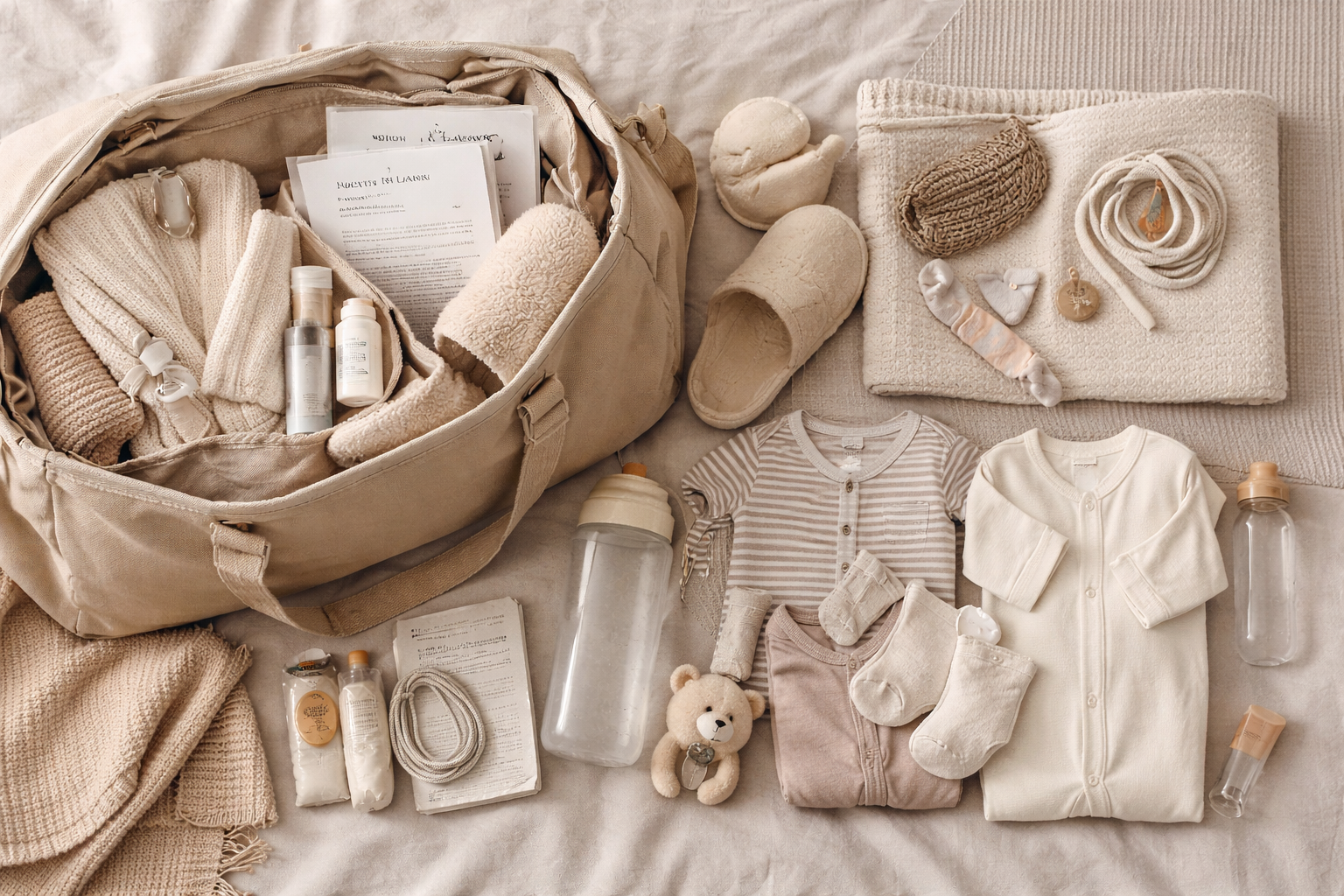
A practical time to have your bag ready is between 34 and 36 weeks of pregnancy.
This is important because:
- labor does not always start on the due date
- some women are admitted earlier for induction or medical observation
- packing in a rush increases the chance of forgetting important items
- having the bag ready reduces stress in the final weeks
If your provider has already mentioned a possible early induction, elevated blood pressure, twins, or signs of preterm labor, it is reasonable to pack even earlier.
Before packing: check what your hospital already provides
Before filling your bag, check your hospital or birth center policy. Many hospitals already provide:
- mesh underwear
- large postpartum pads
- peri bottle
- newborn diapers
- wipes
- formula (if needed)
- hospital gown
This matters because you do not want to pack duplicates of bulky items.
Essential documents and administrative items
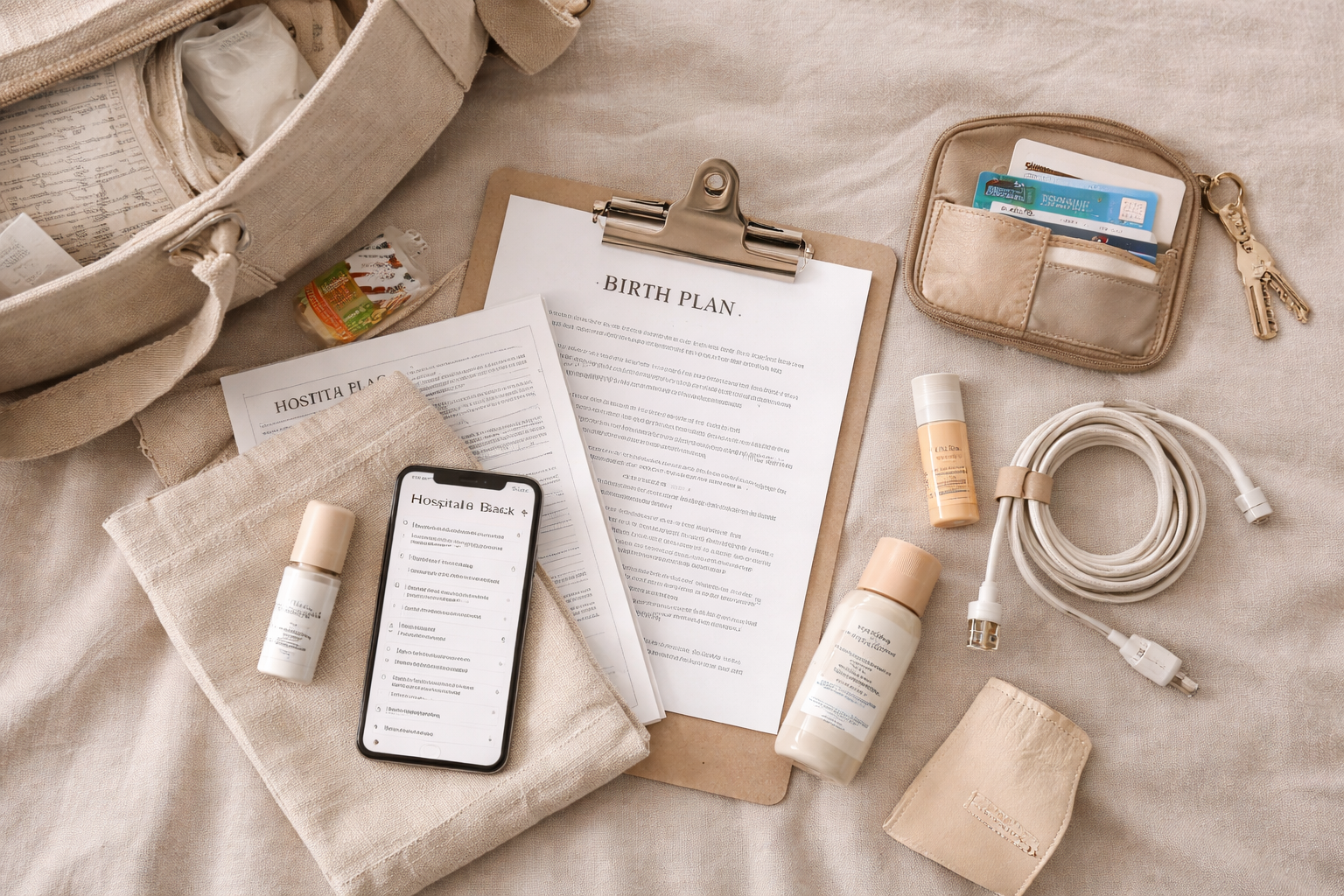
Pack:
- Photo ID: 1
- Insurance card: 1
- Hospital registration papers: 1 set
- Birth plan: 2 printed copies
- Medication list: 1
- Pediatrician contact: 1
- Phone: 1
- Long charger: 1 to 2
- Wallet: 1
Why this matters
Documents are required at admission, and a printed birth plan is easier for staff to use than a phone version. A long charger is one of the most used items in the hospital.
What to pack for labor: mother’s essentials
Clothing and comfort
- Labor gown or oversized shirt: 1
- Non-slip socks: 1 to 2 pairs
- Slippers or flip flops: 1 pair
- Hair ties: 2 to 3
- Lip balm: 1
- Light robe: optional
Hydration and food
- Water bottle with straw: 1
- Electrolyte drink: 1 to 2
- Snacks: 3 to 5
- Gum or mints: 1
Food rules vary depending on medical situation, but snacks are very useful after birth.
What to pack for postpartum recovery

Clothing
- Nursing bra: 2
- Postpartum underwear: 3 to 5
- Going-home outfit: 1
- Pajamas or nightgown: 1 to 2
- Cardigan or robe: 1
Toiletries
- Toothbrush and toothpaste
- Face wash
- Deodorant
- Hairbrush
- Shampoo and conditioner
- Moisturizer
- Nipple balm
Recovery items
- Maternity pads: 1 pack
- Peri bottle: 1
- Cooling pads: optional
- Abdominal support: optional
Why this matters
Postpartum recovery involves bleeding, soreness, and fatigue. Comfort and hygiene make a significant difference.
What to pack if you plan to breastfeed
- Nursing bra: 2
- Nursing pads: 4 to 6
- Nipple balm: 1
- Water bottle: 1
A breast pump is usually not necessary in the hospital unless recommended.
What to pack for baby
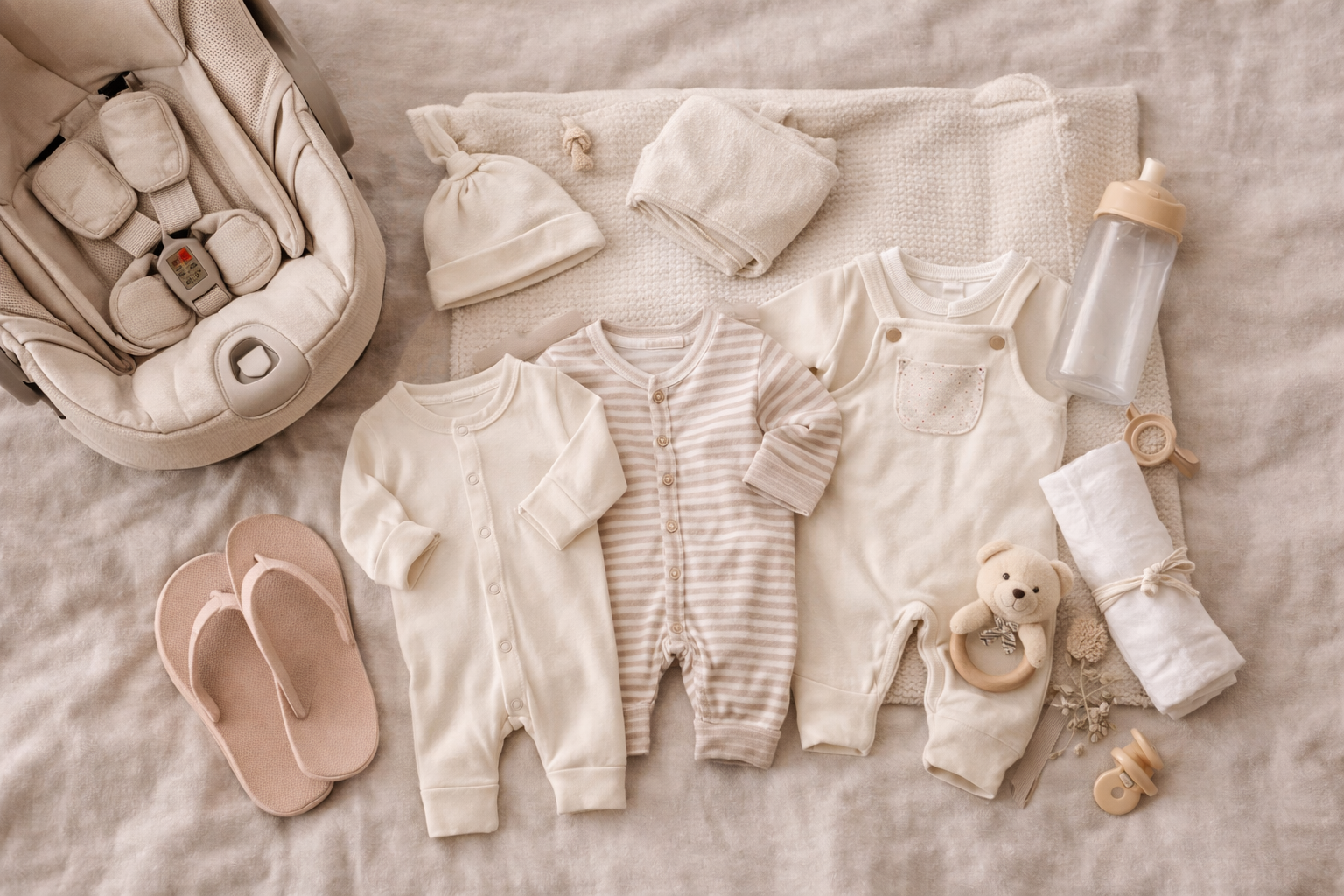
Clothing
- Newborn outfit: 2
- Backup outfit (0–3 months): 1
- Going-home outfit: 1
- Hat: 1 to 2
- Socks: 1 to 2 pairs
- Blanket: 1
Important
Do not pack diapers or wipes unless your hospital requires it.
Essential item
- Installed car seat: 1
What the birth partner should bring
- Clothes: 1 to 2 sets
- Toiletries
- Charger
- Snacks
- Water bottle
- Hoodie or blanket
A prepared partner provides better support during labor.
What not to pack
- Too many clothes
- Full makeup bag
- Breast pump without reason
- Valuables
- Large unnecessary items
Final checklist
Main bag
- documents
- chargers
- labor essentials
- recovery items
Baby bag
- 2 outfits
- blanket
- hat
Partner bag
- clothes
- snacks
- essentials
Final advice
Choose function over quantity.
If you are unsure about an item, ask:
- Will I use it?
- Does the hospital provide it?
- Will I miss it if I do not bring it?
A well-prepared bag reduces stress and helps you focus on birth and recovery.